Brain Dump Templates & Ideas Tracker: Capture Creativity
Every creative professional, entrepreneur, or busy individual knows the feeling: a mind buzzing with ideas, tasks, and fragments of inspiration, all competing for attention. This mental clutter isn't just noisy—it's a productivity killer and a creativity blocker. The solution isn't to think less, but to think smarter. That's where the power of dedicated Brain Dump Worksheets and a structured Ideas Tracker comes into play. These aren't just pretty pages; they are practical frameworks designed to transform chaos into clarity and fleeting thoughts into actionable plans.
More Than a Notebook: The Anatomy of an Effective Brain Dump
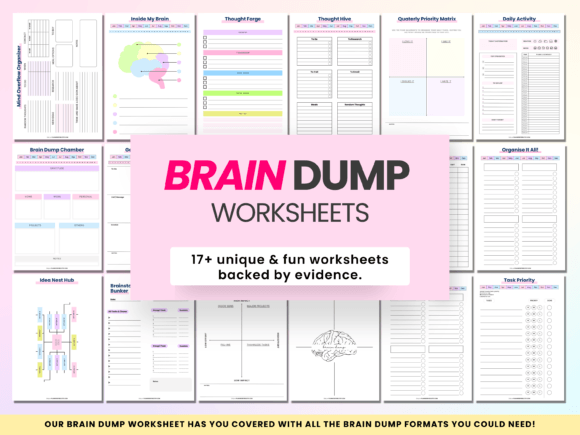
A true brain dump template is a strategic tool. Unlike a blank page that can feel intimidating, a well-designed worksheet provides gentle guidance. It might feature a central prompt, branching categories, or designated zones for different types of thoughts—like "urgent tasks," "creative sparks," "long-term goals," or "learning topics." This structure does the heavy lifting for you, making it easier to empty your mind without worrying about where things should go. The act of categorizing as you dump reduces the need for a second, often dreaded, sorting session.
The Ideas Tracker component takes this a step further. It’s the bridge between capturing and cultivating. This section allows you to log your sparks of inspiration with key details: the source of the idea, its potential audience, a rough project scope, and a priority level. By tracking ideas over time, you can spot patterns in your creativity, identify which concepts have the most energy behind them, and schedule them for development when the time is right. It turns a static list into a dynamic creative pipeline.
Tailoring the Template to Your World
The true versatility of these tools is how they adapt to different professions and goals. Here’s how various users can make them their own:
- For the Entrepreneur or Small Business Owner: Use the brain dump section to unload everything from marketing campaign ideas and product feature requests to client follow-ups and operational bottlenecks. Your Ideas Tracker can become a prioritized backlog for business development, helping you separate "shiny object" distractions from genuine growth opportunities.
- For the Content Creator, Blogger, or Marketer: A brain dump session can yield months of content. Dump topics, headline ideas, audience questions, and collaboration pitches. Then, use the tracker to plan a content calendar, noting which ideas align with upcoming seasons, product launches, or audience trends.
- For the Designer, Writer, or Freelancer: Capture project snippets, client feedback themes, style inspirations, and technique experiments. The tracker helps manage your creative workflow, allowing you to see which personal projects or skill-building ideas you can weave between client work.
- For Educators and Hobbyists: Organize lesson plan concepts, student engagement strategies, or craft project materials. Track the progression of a hobby, from beginner techniques to advanced projects, creating a personal curriculum of growth.
From Chaos to Clarity: A Practical Workflow
Integrating these worksheets into your routine is simple. Set aside 15-20 minutes at the start of your week or during a Sunday planning session. The goal is not to edit or perfect, but to release. Write every thought, task, and idea without judgment. Once the dump is complete, move to the Ideas Tracker.
- Review & Highlight: Scan your brain dump. Use a highlighter or symbol system (e.g., a star for urgent, a lightbulb for ideas) to mark items for tracking.
- Log in the Tracker: Transfer highlighted ideas into your tracker. Be concise but descriptive. Instead of "Blog post," write "Blog post: 5 Tools for Remote Team Communication."
- Assess & Tag: Add a quick assessment. Is this a "Quick Win" (under 30 minutes)? A "Project" (needs multiple steps)? A "Future Spark" (needs more research)? Tag it with a relevant category like "Marketing," "Client Work," or "Personal Growth."
- Schedule or Shelve: Based on your current capacity, move one or two "Quick Win" ideas into your daily task tracker for the week. Place larger "Project" ideas on a monthly or quarterly planning sheet. "Future Sparks" stay in the tracker for when inspiration strikes again.
This process ensures nothing gets lost, but not everything demands immediate action. It respects your creative energy while providing the daily task trackers and declutter organizer mindset needed for focused execution.
Maintaining Your Creative Ecosystem
For this system to remain effective, consistency is key. Treat your brain dump and ideas tracker as a living document, not a one-time exercise. Regular review prevents the tracker from becoming another source of clutter. Each week, glance at your "Future Sparks." Has a new trend or client need made one of those ideas suddenly relevant? Promote it.
Furthermore, don't be afraid to customize the template itself. If you're a visual thinker, add a small sketch box. If you're motivated by progress, include a simple status column (Idea → In Progress → Done). The goal is to create a thought organizer that feels intuitive to you. The best productivity system is the one you'll actually use because it aligns with how your mind naturally works.
By providing a structured sanctuary for your thoughts, these Brain Dump Worksheets do more than just organize tasks—they protect your creative potential. They allow you to honor every idea by giving it a home, while simultaneously giving you the clarity to focus on what matters most right now. In a world of constant distraction, that clarity is your most valuable asset. Start dumping, start tracking, and watch as you move from feeling overwhelmed to operating with purpose and creative momentum.