Crafting Campus Pride: The Ultimate Guide to University Rhinestone Templates for Custom Creations
The world of custom apparel and personalized merchandise is vast, but few elements capture the eye quite like the sparkle of rhinestones. For creators, educators, and business owners looking to produce collegiate-themed gear, University Rhinestone Templates offer a specialized solution that bridges the gap between professional manufacturing and DIY crafting. Understanding the technical specifications and the creative potential of these digital assets is essential for anyone aiming to produce high-quality, durable, and visually striking products.
Understanding the Digital Foundation of Rhinestone Design
Before a single stone is placed on a transfer sheet, the quality of the final product is determined by the precision of the digital file. When dealing with University Rhinestone Templates, the file format is not merely a technical detail; it is the blueprint for the physical product. The standard for high-end templates involves a comprehensive suite of file types to ensure compatibility across different software and cutting machines.
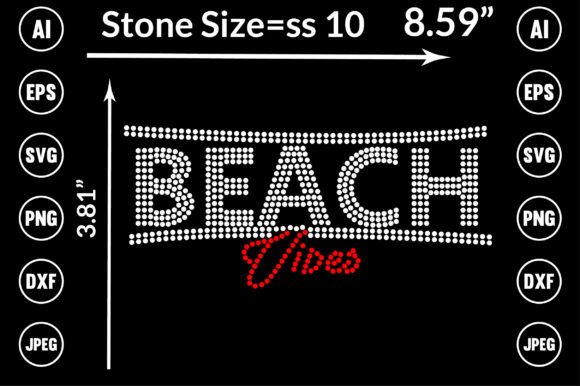
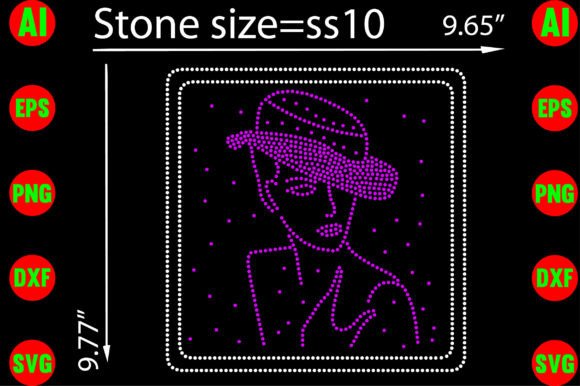
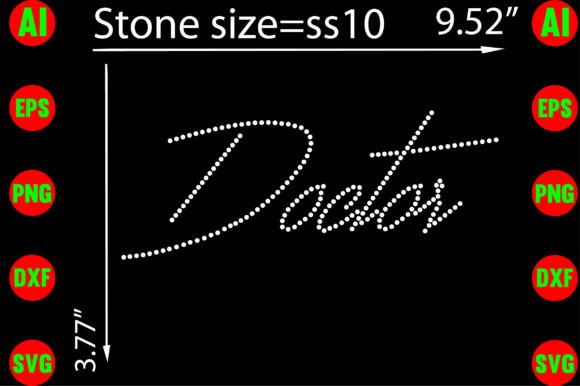
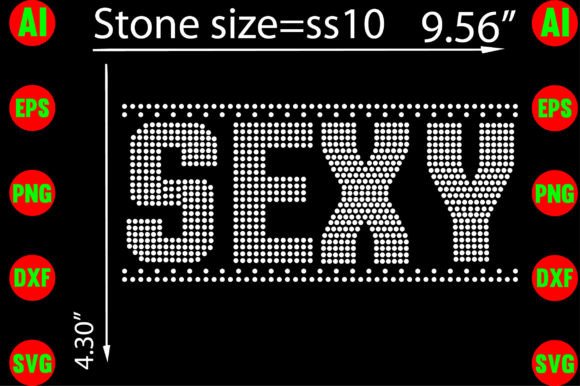
A typical professional-grade package, such as the one described in the provided specifications, includes a variety of formats: AI (Adobe Illustrator), EPS (Encapsulated PostScript), SVG (Scalable Vector Graphics), DXF (Drawing Exchange Format), Transparent PNG, and JPEG. Each format serves a distinct purpose in the production workflow:
- AI and EPS Files: These vector formats are the industry standard for professional graphic designers. They allow for infinite scalability without loss of quality, making them ideal for adjusting the size of the university logo or text to fit different apparel sizes, from youth small to adult 3XL.
- SVG and DXF Files: These are the workhorses for digital cutting machines like Cricut and Silhouette. They provide the cutting paths necessary for the machine to slice through rhinestone flock template material or vinyl. DXF is particularly useful for Silhouette Studio Basic Edition users, while SVG is the preferred format for Cricut Design Space.
- Transparent PNG and JPEG: While not used for cutting, these raster files are essential for mockups. A high-resolution (300dpi) PNG allows a designer to overlay the design onto a photo of a t-shirt or mug to show customers what the finished product will look like before production begins.
The mention of 300dpi (dots per inch) across all these formats is a critical indicator of quality. High resolution ensures that when a design is printed on substrates like mugs or cushions, the lines remain crisp and the circle patterns for the rhinestones are perfectly defined, preventing the "jagged" look often associated with low-quality graphics.
The Workflow: From Screen to Sparkle
Utilizing University Rhinestone Templates requires a specific workflow that differs from standard heat transfer vinyl (HTV) or sublimation printing. The process involves precision engineering to ensure that each stone fits perfectly into its designated spot.
Step 1: Material Preparation
The primary material required is rhinestone template flock or stencil material. This is a specialized rubber-like material with an adhesive backing that holds the stones in place. When the vector file is sent to the cutter, the machine cuts circles into this material based on the dot size specified in the design (e.g., SS10 or SS16).
Step 2: Weeding and Filling
Once cut, the design must be "weeded"—the excess material is removed, leaving only the holes for the stones. This is where the quality of the University Rhinestone Templates design shines. A well-designed template ensures that the spacing between the "holes" is sufficient to prevent the material from tearing during weeding but close enough to create a cohesive image.
After weeding, the template is filled with rhinestones. This can be done manually with a pick-up tool or automatically with a rhinestone machine. The stones settle into the adhesive-backed holes, creating a rigid design.
Step 3: Heat Transfer
The stone-filled template is then placed on the garment. A heat press is used to apply high heat and pressure, melting the adhesive on the back of the stones and bonding them permanently to the fabric. The durability of university gear—often subjected to frequent washing—depends heavily on this adhesion process.
Applications Beyond the T-Shirt
While the t-shirt remains the most common canvas for rhinestone designs, the versatility of University Rhinestone Templates extends far further. The editable nature of these files allows creators to adapt designs for a variety of merchandise, catering to different market segments.
- Drinkware: Mugs and tumblers can be decorated using smaller stone sizes. The curvature of the mug requires a flexible template, and the precision of the SVG or AI file ensures the design wraps correctly without distortion.
- Home Decor: Cushions and throw pillows featuring university crests or mascots are popular in dorm rooms and alumni homes. These items often require larger designs, which is where the scalability of vector files becomes indispensable.
- Accessories: Tote bags, baseball caps, and even laptop sleeves can be customized. Because the templates are editable, a creator can isolate specific elements—like a letter or a small icon—to create smaller, accent pieces.
Technical Considerations for Flawless Execution
Even with a perfect template, several technical factors influence the success of the final product. Understanding these nuances separates a hobbyist from a professional creator.
Stone Sizing and Density
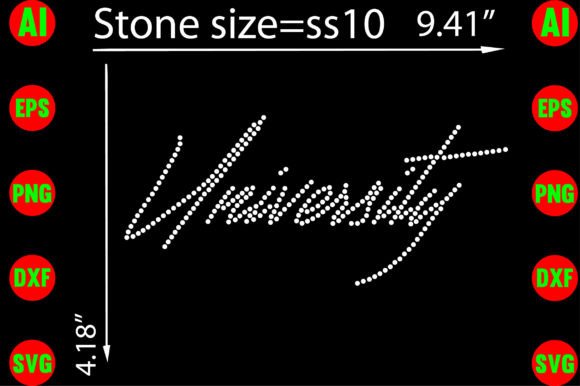
Rhinestone sizes are measured in "Stone Sizes" (SS). Common sizes for university logos include SS10 (smaller, more detail) and SS16 (larger, more impact). The University Rhinestone Templates provided usually specify the recommended stone size. Using a stone that is too small for the hole will result in it falling out; using one that is too large will cause it to sit unevenly on the garment.
Color Theory and Fabric Interaction
Rhinestones come in various colors, from Crystal Clear to Sapphire Blue or Ruby Red. When creating university gear, matching the exact Pantone color of the institution is often a priority. Since rhinestones are translucent, the color of the fabric beneath them significantly impacts the final look. For example, a clear rhinestone on a black shirt will appear darker and more subtle than on a white shirt. Professionals often test stone colors on fabric swatches before committing to a full production run.
File Editability
The requirement for editable files cannot be overstated. An "editable file" means the user is not locked into the default layout. For instance, a creator might want to add a graduation year or a specific slogan to a university mascot design. With an AI or EPS file, the text can be modified, and the vector paths can be adjusted to accommodate the new elements without disrupting the rhinestone circle patterns.
The Business Perspective: Licensing and Production
For business owners and entrepreneurs, using University Rhinestone Templates involves more than just the technical aspects of crafting. It requires a strategic approach to production and intellectual property.
First, the speed of production is a major advantage. Because the files are pre-optimized for cutting machines, the setup time is drastically reduced compared to designing from scratch. This allows businesses to offer "on-demand" services for local alumni groups or sports teams.
Second, the durability of rhinestone designs offers a higher perceived value. Customers are often willing to pay a premium for rhinestone apparel because of the tactile, three-dimensional nature of the design and its association with celebration and school spirit.
However, creators must be vigilant regarding trademark usage. While the template itself is a digital asset that can be purchased, the university name and logo are often trademarked. Professionals must ensure they have the appropriate licensing to sell merchandise bearing specific university insignia, or they must market the designs generically (e.g., "College Spirit Templates") to avoid infringement.
Future Trends in Digital Template Design
The evolution of digital crafting tools continues to push the boundaries of what is possible with University Rhinestone Templates. We are seeing a trend toward "mixed media" templates, where rhinestone designs are integrated with HTV or sublimation elements. For example, a university logo might feature a rhinestone outline with a sublimated center, combining the sparkle of stones with the photographic detail of sublimation printing.
Furthermore, as software becomes more intuitive, the barrier to entry for using complex file formats like AI and EPS is lowering. Cloud-based design platforms are increasingly capable of handling these vector formats, allowing even casual hobbyists to edit and manipulate professional-grade University Rhinestone Templates with ease.
Ultimately, the value of these templates lies in their ability to democratize high-quality design. By providing a structured, precise, and versatile starting point, they empower a broad audience—from the parent making a spirit shirt for a school fundraiser to the business owner fulfilling bulk orders for a fraternity—to produce products that shine with professional quality and collegiate pride.