Devotional Journal Canva Ebook Templates: Creating Meaningful Faith-Based Content Without the Overwhelm
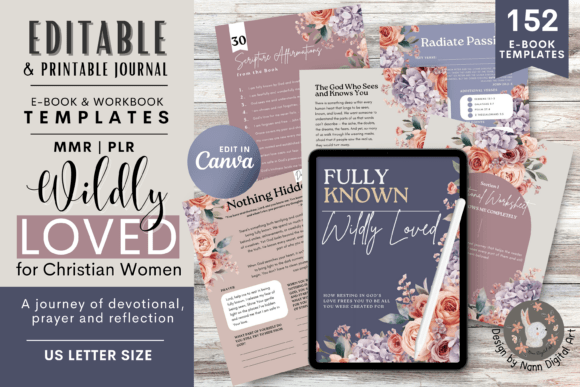
Creating a beautiful devotional journal or ebook can feel like an impossible task when you're starting from scratch. You might have a powerful message to share—perhaps something like the Fully Known, Wildly Loved 152-page devotional that helps readers heal from shame and insecurity through God's love—but the design and formatting process stops you cold. This is where devotional journal Canva ebook templates come in, offering a practical shortcut that lets you focus on your message rather than wrestling with layout software.
However, many people jump into using these templates without understanding what makes them truly effective. The result? Products that look generic, fail to connect with their audience, or create legal headaches down the road. Let's explore how to use these templates wisely and avoid the pitfalls that trip up so many creators.
Understanding What You're Actually Getting
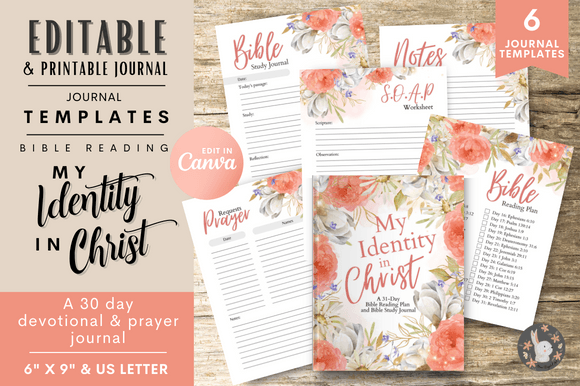
A devotional journal Canva ebook template is essentially a pre-designed framework you customize in Canva's free or paid platform. These templates typically include styled pages for devotional readings, scripture reflections, journaling prompts, and prayer sections. The Fully Known, Wildly Loved template, for instance, offers 152 pages organized into four themed sections covering Healing, Identity, Wholeness, and Living from Love—complete with 40 daily readings and matching scripture affirmations.
The appeal is obvious. Instead of spending weeks designing from scratch, you get a professional foundation that you can personalize. But here's where many people make their first mistake: they assume "template" means "finished product ready to sell." It's not. A template is a starting point that requires thoughtful customization to genuinely serve your audience.
The Mistake of Skipping Customization
One of the most common errors is purchasing a beautiful template and reselling it with minimal changes—maybe swapping out a name or tweaking a color. This approach backfires in several ways. First, your product ends up looking identical to dozens of others flooding Etsy or Creative Fabrica. Second, the generic content fails to resonate with the specific audience you're trying to reach.
Consider the difference between a devotional that speaks broadly about "feeling unworthy" versus one that specifically addresses the shame women carry from comparison culture, toxic relationships, or past mistakes. The Fully Known, Wildly Loved template provides an elegant watercolor floral layout and structured devotional framework, but the real value emerges when you infuse it with authentic, specific content that speaks to real struggles.
A better approach: Before purchasing any template, outline your specific message and audience. Know who you're writing for and what transformation you want to offer. Then choose a template whose structure supports that vision, and invest time in making the content genuinely yours.
Overlooking Licensing Terms
This mistake costs people real money and creates genuine legal problems. Templates come with different licensing structures—some allow personal use only, others offer Private Label Rights (PLR), and some include Master Resell Rights (MRR). Understanding the difference matters enormously.
With PLR rights, you can modify the content and sell it as your own. With MRR, you can resell the template itself, sometimes even passing resell rights to your customers. The Fully Known, Wildly Loved devotional comes with MRR and PLR rights, meaning you can customize it and sell it, or resell the template package itself.
However, many creators don't read the fine print. They discover too late that their license prohibits certain uses, or that they can't claim exclusive ownership. Always verify exactly what you're permitted to do before investing. If you plan to build a brand around faith-based products, licensing clarity protects your reputation and your business.
Ignoring the Emotional Weight of Devotional Content
Devotional journals aren't like planners or recipe books. People use them during vulnerable moments—quiet mornings seeking peace, difficult seasons searching for hope, or group settings where they're opening up about personal struggles. When you treat a devotional template as just another digital product to flip for profit, that insincerity shows.
The Fully Known, Wildly Loved template works because it's designed around a specific emotional journey: helping readers move from insecurity to resting in God's unconditional love. Each of the 40 daily readings pairs a heartfelt reflection with a scripture-based affirmation, creating a rhythm of truth-telling and encouragement.
If you're using this type of template, spend time with the content yourself. Read through the devotional sections. Consider whether the affirmations genuinely reflect biblical truth and whether the reflections offer real comfort rather than surface-level platitudes. Your audience will sense the difference between a product assembled for profit and one created with care.
Neglecting Practical Formatting Details
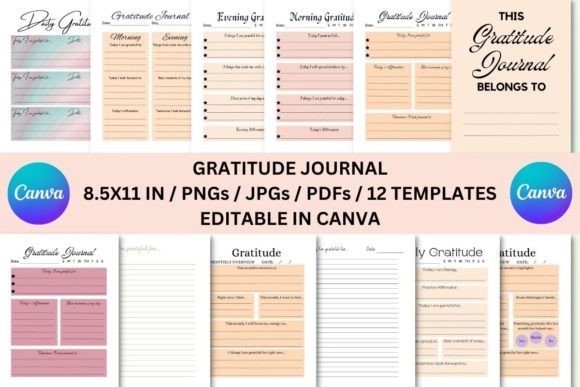
Even beautiful templates can frustrate users if the practical details aren't right. Common oversights include:
- Font sizes too small for comfortable reading, especially for older adults or those reading on mobile devices
- Insufficient journaling space—a devotional journal needs room for actual writing, not just decorative borders
- Print formatting issues where margins, bleed areas, or page sizing create problems when users try to print at home
- Digital navigation gaps where clickable table of contents or internal links are missing in the ebook version
Before finalizing any devotional journal created from a template, test it yourself. Print a few pages on a home printer. Open the digital version on your phone and tablet. Ask a friend to use it for a week and give honest feedback. These small steps prevent customer frustration and negative reviews.
Making Better Choices with Devotional Journal Templates
When evaluating devotional journal Canva ebook templates, look beyond the cover design. Check whether the template includes structured sections that support a genuine spiritual journey—like the four themed sections in Fully Known, Wildly Loved that guide readers from healing through identity restoration to living from love.
Verify that the template offers enough pages for meaningful engagement. A 152-page template with 40 daily readings, scripture affirmations, prayer sections, and a printable scripture list provides substantial value. A 20-page template with mostly blank pages might look appealing but offers little substance.
Consider the layout's practicality. Elegant watercolor florals are lovely, but they shouldn't compete with readability. The best devotional templates balance beauty with function—leaving clean spaces for journaling, using readable fonts, and organizing content so readers can easily follow along day by day.
Final Thoughts on Creating with Purpose
Devotional journal Canva ebook templates offer an accessible entry point into creating faith-based digital products. Whether you're a ministry leader wanting to provide resources for your women's group, a blogger expanding into digital products, or an entrepreneur exploring the Christian publishing space, these templates save time and provide professional foundations.
But the template is just the container. What matters most is the care, authenticity, and biblical faithfulness you pour into it. Choose templates that align with your message, customize them thoughtfully, understand your licensing rights, and always prioritize the reader's experience over speed to market. When you do, you create something that genuinely serves people in their faith journey—and that's a business worth building.