Mastering Your Visual Strategy with Travel Social Media Templates
The travel industry thrives on visual storytelling. Whether you are a boutique hotel owner, a travel blogger documenting your global adventures, or a digital marketing agency handling tourism clients, the quality of your social media presence directly impacts your bottom line. However, creating consistent, high-quality graphics from scratch for every single post is a time-consuming endeavor. This is where the utility of professional Travel Social Media Templates becomes undeniable. These assets bridge the gap between raw photography and polished marketing materials, allowing creators to produce studio-quality content without a graphic design degree.
Understanding the Anatomy of a Professional Template
Not all digital assets are created equal. When evaluating resources for your content calendar, technical specifications matter just as much as the aesthetic. A high-quality template package is defined by its flexibility and resolution. For instance, assets designed with a High Resolution 300 DPI ensure that your graphics remain crisp not only on mobile screens but also if you decide to repurpose them for print materials, such as flyers or brochures at a trade show.
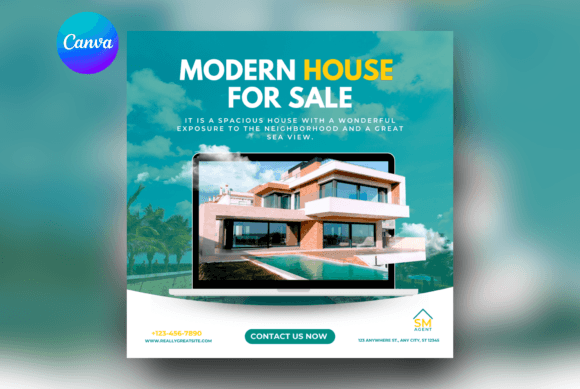
Furthermore, the RGB Color Mode is the industry standard for digital displays, ensuring that the colors you see on your monitor translate accurately to what your audience sees on Instagram, Facebook, or LinkedIn. A standard size of 1080×1080 Pixels remains the versatile "workhorse" of social media, offering a perfect square format that fits seamlessly into feeds without awkward cropping.
The most critical factor, however, is the file format. Assets that are Competitor with Adobe Illustrator (specifically the EPS file format) offer infinite scalability. Unlike a flattened JPEG, an EPS file allows you to manipulate individual vector elements. You can move text, change shapes, and resize components without losing image quality. This level of customization is vital for maintaining brand integrity.
Streamlining the Creative Workflow
For the busy entrepreneur or freelancer, time is the most valuable currency. The primary benefit of utilizing pre-designed Travel Social Media Templates is the drastic reduction in production time. Instead of starting with a blank canvas, you are beginning with a structured layout that has already solved basic design challenges like composition, hierarchy, and typography pairing.
The workflow is designed to be Quick and easy to customize. Typically, a robust package will include 1 eps Files, 2 Source File (often AI or PSD), and 3 JPEG file previews. This structure allows users to choose their weapon. If you are comfortable with vector software, you can dive into the source files to tweak every anchor point. If you need a quick mockup or a static image for a specific campaign, the JPEGs are ready to go. This flexibility empowers users to work at their own skill level while still achieving professional results.
Practical Applications Across Industries
The versatility of these templates extends far beyond simple vacation posts. Their utility spans a wide range of professional environments:
- For Agencies and Marketers: Managing multiple clients requires volume. Templates allow you to maintain distinct visual identities for a luxury resort versus a backpacking hostel by simply swapping out the imagery and color palettes within the same structural framework.
- For Educators and Coaches: Travel coaches or language teachers can use these layouts to present cultural facts, vocabulary lists, or itinerary tips in a visually engaging format that captures attention better than plain text.
- For Content Creators: Bloggers and influencers can use the 1080x1080 format to create cohesive grid aesthetics on Instagram. By using consistent templates, the profile looks curated and intentional, which builds audience trust.
Bridging the Gap Between Photography and Design
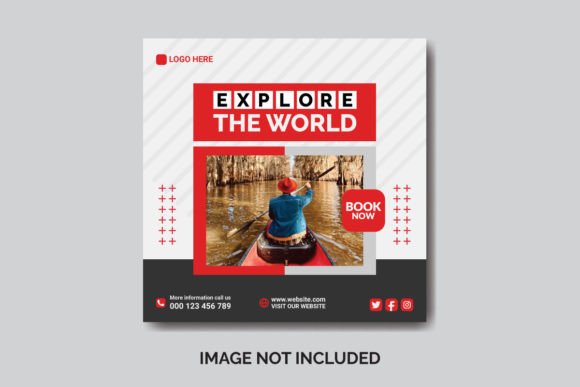
A common challenge in travel marketing is that a stunning photograph is often ruined by poor typography or cluttered overlays. Professional templates are built to frame photography. They provide "negative space" or designated areas for imagery, ensuring that the text complements the visual rather than competing with it.
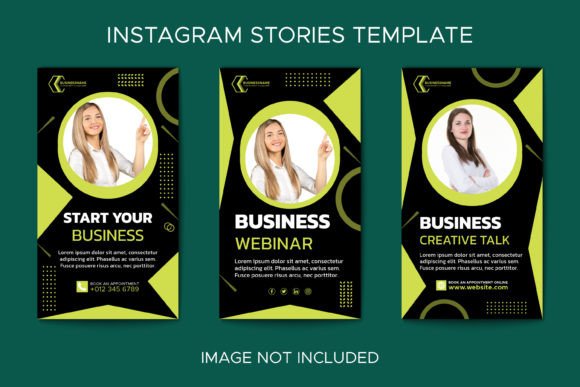
It is important to note that these packages usually specify that Images not included. This is actually a strength. It forces the user to insert their own unique, original photography. Stock photos are recognizable and often feel impersonal. By inserting your own high-resolution shots into a professional vector frame, you create a hybrid asset that looks custom-designed. This approach enhances authenticity—a key component of E-E-A-T (Experience, Expertise, Authoritativeness, and Trustworthiness) in modern SEO and content marketing.
Technical Considerations for Implementation
Before purchasing or downloading Travel Social Media Templates, there are a few technical checkpoints you should consider to ensure a smooth implementation:
- Software Compatibility: Since these are often Competitor with Adobe Illustrator files, ensure you have access to software capable of opening EPS or AI files. While Adobe Illustrator is the standard, other vector software may offer partial compatibility, though formatting can occasionally shift.
- Font Licensing: Check the documentation regarding fonts. If the template uses a specific typeface, you may need to download and license that font separately to edit the text effectively.
- Color Consistency: While the files are in RGB Color Mode, ensure your monitor is calibrated. If you are working with a team, establish a style guide so that everyone uses the exact same hex codes when customizing the templates.
Maximizing Engagement Through Consistency
Algorithms on platforms like Instagram and TikTok favor consistency. When you use Travel Social Media Templates, you are signaling to both the algorithm and your human audience that you are an active, professional entity. A consistent visual language—using the same header styles, button placements, and color schemes—reduces cognitive load for your followers. They instantly recognize your content while scrolling, which increases the likelihood of engagement.
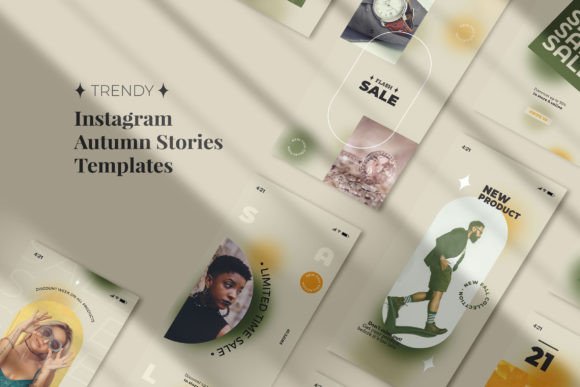
For example, a travel agency might use a specific template style for "Flash Sales" and a different one for "Destination Spotlights." Over time, the audience learns to associate the visual style with the content type, creating a non-verbal communication channel that enhances the user experience.
Final Thoughts on Selection
When selecting your assets, look for versatility. A package that includes multiple layout variations within the 1080×1080 Pixels constraint will give you more mileage. Look for templates that allow for easy color changes and text resizing. The goal is to find a tool that adapts to your content, not content that you have to force into a rigid design. By leveraging high-quality, customizable templates, you elevate your brand from simply "posting" to truly "marketing."