Streamlining Your Creative Process with Wine Rhinestone Templates Design
In the world of custom apparel and personalized merchandise, efficiency and precision are paramount. For creators, entrepreneurs, and hobbyists, the gap between a creative idea and a finished product often hinges on the quality of the foundational assets. A Wine Rhinestone Templates Design is more than just a graphic; it's a critical workflow tool that standardizes production, minimizes errors, and unlocks scalable creativity. Understanding how to integrate such a template into your project lifecycle can transform your output from amateur to professional.
Defining the Core Asset
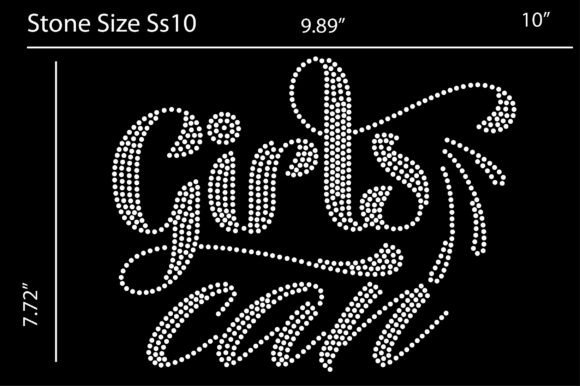
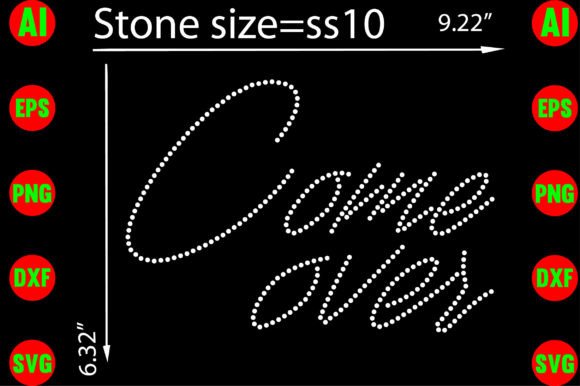
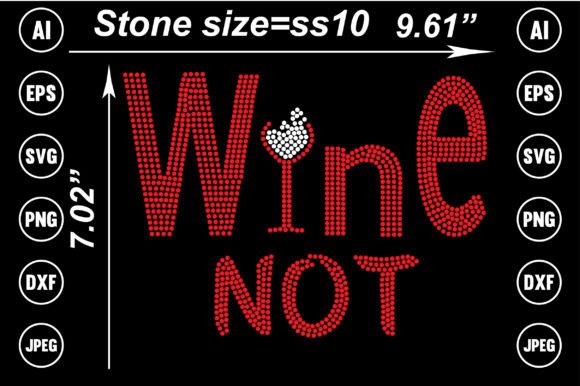
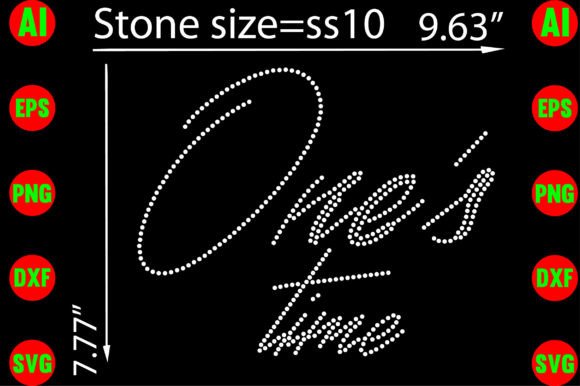
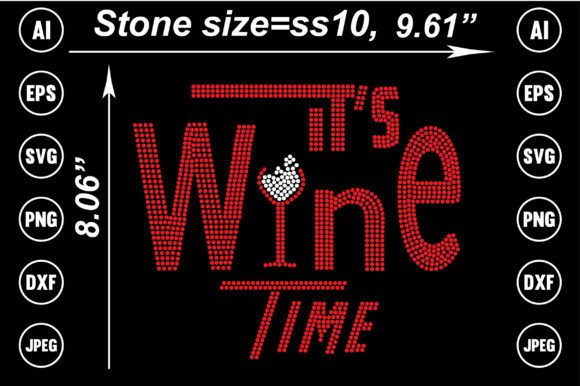
A Wine Rhinestone Templates Design is a pre-made digital artwork optimized for creating rhinestone patterns or printed designs with a wine-themed aesthetic. This specific template package, delivered as an instant download, provides a comprehensive toolkit for seamless integration into various design and production workflows. The included files—AI, EPS, SVG, DXF, PNG, and JPEG at high resolutions (300dpi/ppi)—ensure compatibility across a wide spectrum of software and hardware.
This variety isn't arbitrary. The SVG and DXF files are vector formats, essential for cutting machines like Cricut or Silhouette Cameo. They allow the design to be scaled infinitely without losing quality, which is crucial for creating precise vinyl or rhinestone stencil cuts. The AI and EPS files are for professional vector editing in Adobe Illustrator or CorelDRAW, enabling deep customization of colors, paths, and details. Finally, the high-resolution PNG and JPEG files serve direct printing needs, perfect for sublimation, DTG (Direct-to-Garment) printing, or heat transfers where a raster image is required.
Integration into the Production Workflow
The true value of a template is realized in how it fits into your process. Think of it not as a final product, but as a strategic starting point that saves hours of foundational work.
Pre-Production: Planning and Customization
Before a single material is cut or printed, the template facilitates planning. A small business owner creating a line of wine-themed merchandise can use the Wine Rhinestone Templates Design to mock up product listings, plan inventory, and create marketing materials. The editable nature of the vector files means you can adjust the design to fit different product dimensions—a tall wine bottle graphic for a t-shirt versus a smaller, icon-based version for a mug. This stage is about decision-making: selecting color palettes that match your brand, deciding on final sizing, and determining which file format will drive your production equipment.
Execution: From Digital File to Physical Product
During production, the template acts as a direct input for your machinery. For a crafter using a cutting machine, the process is linear and efficient:
- Import the SVG or DXF file into your machine's software (e.g., Cricut Design Space, Silhouette Studio).
- Prepare the file by setting cut lines, weeding boxes, and material-specific settings.
- Cut the design from rhinestone template material, vinyl, or heat transfer vinyl.
- Apply the cut material to your substrate (t-shirt, cushion) using a heat press.
For a printer using sublimation, the high-resolution PNG is loaded directly into the print driver, ensuring crisp, vibrant transfers. The consistency provided by using the same template across multiple units guarantees brand uniformity, which is critical for selling products.
Post-Production: Quality Control and Iteration
After the first item is produced, the template remains useful. It serves as a quality control benchmark. Does the printed color match the on-screen preview of the PNG file? Are the rhinestone placements as precise as the vector paths suggested? Any discrepancies can be traced back to the production variables (heat press temperature, material quality) rather than the design file itself, streamlining troubleshooting. Furthermore, the template can be archived and revisited for future collections or seasonal promotions, creating a reusable library of assets.
Enhancing Collaboration and Scalability
For teams or businesses that outsource production, the template becomes a universal language. A designer can customize the AI file and send it to a print vendor, who can use the same file to set up their equipment. The included Transparent PNG is particularly valuable for digital mockups on e-commerce platforms or social media, allowing the design to be placed on any background seamlessly. This eliminates back-and-forth communication about file specifications and reduces the risk of production errors due to incompatible formats.
Practical Implementation Tips
To maximize the utility of your Wine Rhinestone Templates Design, consider these workflow optimizations:
- File Management: Upon download, immediately unzip and organize the files into a dedicated project folder. Create subfolders for "Vector Files," "Print-Ready Files," and "Source Files" to maintain clarity.
- Software Readiness: Ensure your primary design software (e.g., Adobe Illustrator, Inkscape, or a cutting machine program) can open the provided formats. Test each file type with a simple operation (like changing a color or resizing) to confirm compatibility.
- Customization Protocol: Always work from a copy of the original file. This preserves the pristine template for future projects or if you need to revert changes.
- Production Testing: Run a small test batch on scrap material before committing to a full production run. This validates that the design translates correctly from screen to physical product with your specific equipment and materials.
By treating the template as a modular component within a larger system—where it interacts with your design software, cutting/printing hardware, material suppliers, and sales platforms—you build a more resilient and efficient creative business. It shifts the focus from tedious setup work to strategic execution and creative variation, ultimately allowing you to produce higher-quality goods with greater consistency and speed.